
Voter Turnout Trends: Shaping Future Elections
- Sarah Lambourne
- Jan 28
- 4 min read
Updated: Jan 29
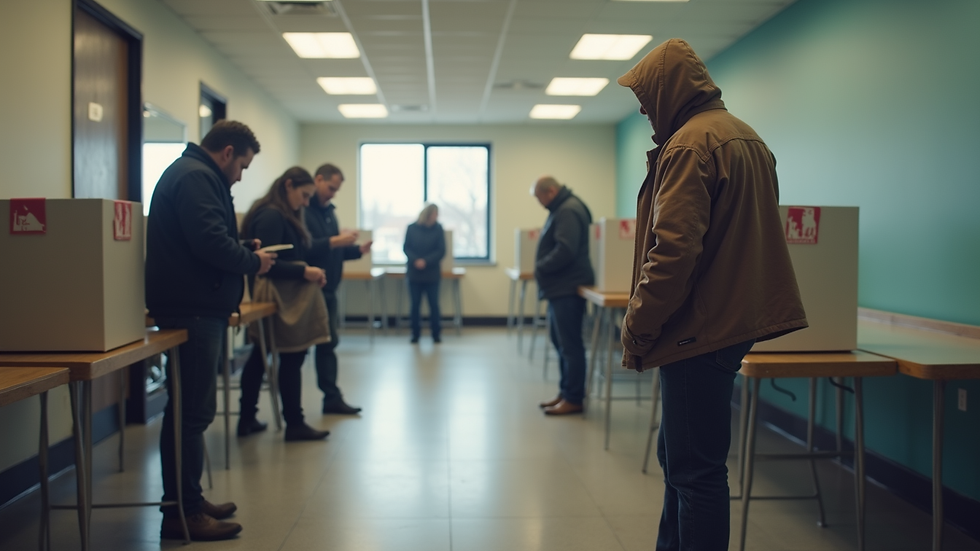
Voter turnout is a crucial indicator of a healthy democracy. It reflects the engagement of citizens in the electoral process and can significantly influence the outcomes of elections. Understanding the trends in voter turnout can provide insights into the factors that motivate or deter individuals from participating in elections. This blog post will explore the historical trends in voter turnout, the factors influencing these trends, and the implications for future elections.
Historical Overview of Voter Turnout
Voter turnout has varied significantly over the years, influenced by a multitude of factors including legislation, social movements, and demographic changes.
Early 20th Century
In the early 1900s, voter turnout in the United States was relatively high, often exceeding 70% in presidential elections. However, this period was marked by significant barriers to voting, particularly for women and minorities. The suffrage movement, culminating in the 19th Amendment in 1920, was a pivotal moment that expanded voting rights to women, thereby increasing voter turnout.
Mid-20th Century
The mid-20th century saw fluctuations in voter turnout, with notable peaks during the civil rights movement. The Voting Rights Act of 1965 was instrumental in removing barriers for African American voters, leading to a significant increase in turnout among this demographic. The 1960s and 1970s were characterized by high engagement, with turnout rates often exceeding 60%.
Late 20th Century to Present
However, the late 20th century witnessed a decline in voter turnout, particularly among younger voters. Factors such as disillusionment with the political system, the rise of alternative forms of engagement, and changes in campaign strategies contributed to this trend. The 2000 presidential election, marked by the controversial Supreme Court decision in Bush v. Gore, further fueled skepticism about the electoral process.
In recent years, there has been a resurgence in voter turnout, particularly among younger voters and marginalized communities. The 2020 presidential election saw the highest turnout in over a century, with approximately 66.8% of the eligible voting population participating.
Factors Influencing Voter Turnout
Understanding the factors that influence voter turnout is essential for shaping future elections. Several key elements play a role in determining whether individuals choose to vote.
Socioeconomic Status
Research indicates that individuals with higher socioeconomic status are more likely to vote. This correlation can be attributed to several factors:
Education: Higher levels of education often lead to increased political awareness and engagement.
Income: Individuals with stable incomes may feel more invested in the political process and its outcomes.
Age
Age is another significant factor influencing voter turnout. Historically, older voters tend to participate at higher rates than younger voters. However, recent elections have seen a shift, with younger voters becoming more engaged, particularly on issues such as climate change and social justice.
Race and Ethnicity
Voter turnout varies significantly among different racial and ethnic groups. Historically marginalized communities often face systemic barriers to voting, including voter ID laws and gerrymandering. However, grassroots movements and advocacy efforts have led to increased mobilization among these groups, as seen in the 2020 election.
Political Climate
The political climate leading up to an election can greatly impact voter turnout. High-stakes elections, contentious issues, and charismatic candidates can motivate individuals to participate. Conversely, a lack of competitive races or perceived apathy among candidates can lead to lower turnout.
Accessibility
Access to polling places and voting methods also plays a crucial role in voter turnout. States that offer early voting, mail-in ballots, and accessible polling locations tend to see higher participation rates. Conversely, restrictive voting laws can suppress turnout, particularly among vulnerable populations.
The Role of Technology in Voter Engagement
In recent years, technology has transformed the way voters engage with the electoral process. Social media, online registration, and digital campaigning have all played a role in shaping voter turnout.
Social Media
Social media platforms have become powerful tools for political engagement. Campaigns can reach a broader audience, mobilizing supporters and encouraging them to vote. For example, the 2020 election saw a significant increase in voter registration efforts through platforms like Instagram and Twitter.
Online Registration
Many states have implemented online voter registration, making it easier for individuals to register and participate in elections. This convenience has contributed to increased turnout, particularly among younger voters who are more comfortable with digital platforms.
Digital Campaigning
Campaigns have increasingly turned to digital strategies to engage voters. Targeted ads, email campaigns, and virtual events allow candidates to connect with potential voters in innovative ways. This shift has been particularly effective in reaching younger demographics.
Implications for Future Elections
As we look to the future, understanding voter turnout trends is essential for shaping effective electoral strategies. Here are some key implications for future elections:
Increased Focus on Voter Mobilization
Political parties and candidates must prioritize voter mobilization efforts, particularly among underrepresented groups. This includes targeted outreach, education on voting rights, and addressing barriers to participation.
Emphasis on Accessibility
Ensuring that voting is accessible to all citizens should be a top priority. This includes advocating for policies that expand early voting, mail-in ballots, and accessible polling places.
Leveraging Technology
Campaigns should continue to leverage technology to engage voters. This includes utilizing social media for outreach, implementing online registration, and employing digital campaigning strategies to connect with younger voters.
Addressing Disinformation
As technology plays a larger role in elections, addressing disinformation is crucial. Voters must be equipped with accurate information about the electoral process, candidates, and issues to make informed decisions.
Conclusion
Voter turnout is a vital component of a functioning democracy. By understanding the trends and factors influencing voter participation, we can work towards creating a more inclusive and engaged electorate. As we move forward, it is essential to prioritize voter mobilization, accessibility, and the responsible use of technology to ensure that every voice is heard in the electoral process.
The future of our elections depends on our collective efforts to engage citizens and foster a culture of participation. Let’s commit to shaping a democratic process that reflects the will of the people.
Comments